Canned, Dried or Fresh Beans for the Dish in Mind?
Canned, dried or fresh beans each suit different meals. Choose the form that fits your schedule, cooking liquid and desired texture.
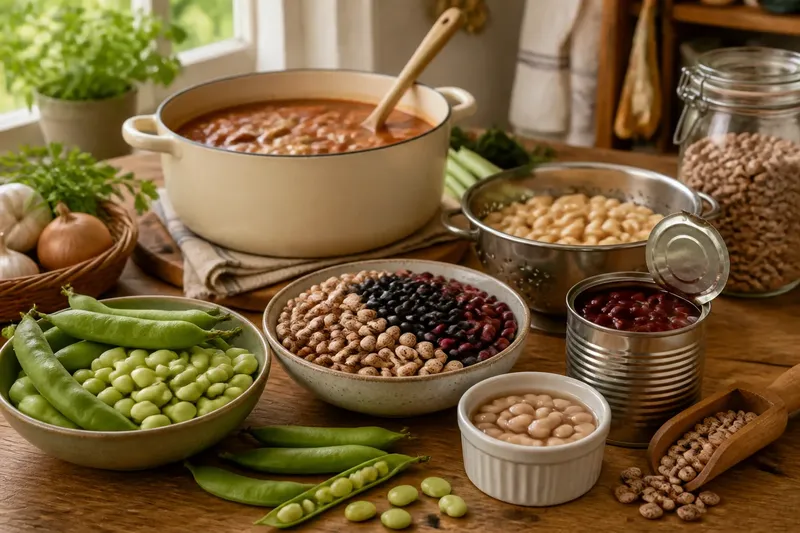
You have a pot of chili on the stove, a can opener in reach, and a bag of dried beans tucked in the pantry. Which is the right choice? Canned, dried or fresh beans can all make a satisfying meal, but they bring different textures, timing and flavors to the pot. The best fit depends on what the dish needs from them.
Which beans are best for a quick weeknight meal?
Canned beans are usually the most convenient when dinner is already underway. They are cooked and ready to add, so they work well in chili, soup, tacos, salads and quick skillet meals. Rinse and drain them for a cleaner, less starchy finish, or use some of the canning liquid when a thicker broth suits the dish.
Their main limitation is that they have already softened. Add them late in cooking, especially if the pot will continue to simmer, so they keep their shape. For a dish that needs beans to absorb seasoning over a long cook, dried beans give you more control.
Say you are making a quick tomato-and-bean skillet and have only enough time to warm the sauce. Add rinsed canned beans near the end; they should heat through without turning the sauce into a long cooking project.
When do dried beans make a better choice?
Dried beans suit meals built around a long, gentle cook, such as bean soup, baked beans or a pot of beans served with cornbread. You can cook a larger batch and season it to suit the meal. The beans also release starch as they cook, which can lend body to their cooking liquid.
They do ask for advance planning. Many cooks soak dried beans before cooking, which can shorten the cooking time and help the beans cook more evenly. Some varieties can be cooked without soaking, but the timing may be less predictable. Sort through the beans for small stones or damaged pieces, rinse them, then cook in fresh water until tender. Add acidic ingredients such as tomatoes or vinegar after the beans have softened, since acidity can slow that process.
For a country-style pot, keep the cooking liquid rather than draining it all away. It carries flavor and can become part of the broth or sauce.
What are fresh beans, and how do they differ?
Fresh beans are harvested in their pods, often from a garden or farmers market. Shelling beans such as fresh cranberry, lima or shelling peas are removed from the pod and cooked soon after harvest. They usually need less cooking than dried beans and have a tender, delicate texture. The exact time depends on the variety and how mature the beans are.
Fresh green beans are different: the whole pod is eaten. They stay firmer and more vegetal than shelled beans, making them a good fit for sautéing, braising or serving alongside a main dish. Don’t swap them for dried beans in a recipe without changing the approach; they bring a different structure and flavor.
Fresh shelling beans shine in a simple dish where their character can come through. Cook them gently with aromatics, then taste as they soften rather than relying on a fixed time.
How do the three forms compare in flavor and texture?
Dried beans give you the widest say over tenderness, from pleasantly firm to soft enough to mash. Their flavor can be mild and earthy, and their cooking liquid may add richness to the dish. Canned beans are reliably tender and convenient, though some brands are softer than others. Fresh shelling beans often taste lighter and sweeter, with a supple bite.
Choose according to the job:
- For a fast salad: canned beans, drained and rinsed, are ready to dress.
- For thick, slow-cooked soup: dried beans can contribute both tender pieces and body to the broth.
- For a seasonal side: fresh shelling beans or green beans let the produce lead.
- For mashed beans or a spread: dried beans give you control over softness; canned beans work when speed matters.
Should you rinse canned beans or use their liquid?
Rinse canned beans when you want a cleaner taste, firmer-looking beans or more control over the salt and starch in a recipe. Drain them through a colander and rinse under cool water. For a stew or soup that benefits from extra body, reserve some liquid and add it a little at a time.
Salt levels and canning liquids vary by product, so check the label when that affects your cooking decision. If you are unsure, drain and rinse; you can always add broth or water back to the pot.
Can you substitute one form of beans for another?
Often, but adjust when and how you add them. Canned beans can stand in for cooked dried beans in soups, stews and salads; add them near the end so they do not overcook. Cooked dried beans can replace canned beans in most of those dishes, with cooking liquid added if the recipe needs more moisture.
Fresh shelling beans are a less direct swap because their flavor and cooking time differ. Fresh green beans are not a substitute for shelled beans at all: they are eaten as pods and hold their shape in a different way.
Which bean form fits your pantry and cooking rhythm?
Keep canned beans for meals that need speed, dried beans for planned pots and batches, and fresh beans when the season or market brings them into the kitchen. You need not choose one form as the best. Match the bean to the texture the dish wants and the time you actually have.
For the dish in mind, canned, dried or fresh beans each offer a useful route: quick tenderness, slow-cooked depth or a fresh, seasonal bite. Check the variety as well as the form, and let the beans’ own texture guide when they join the pot.