The Myth That a Recipe Must Be Followed Word for Word
A recipe followed word for word can still miss the point. Learn which proportions and sequence matter, and which serving details you can change.
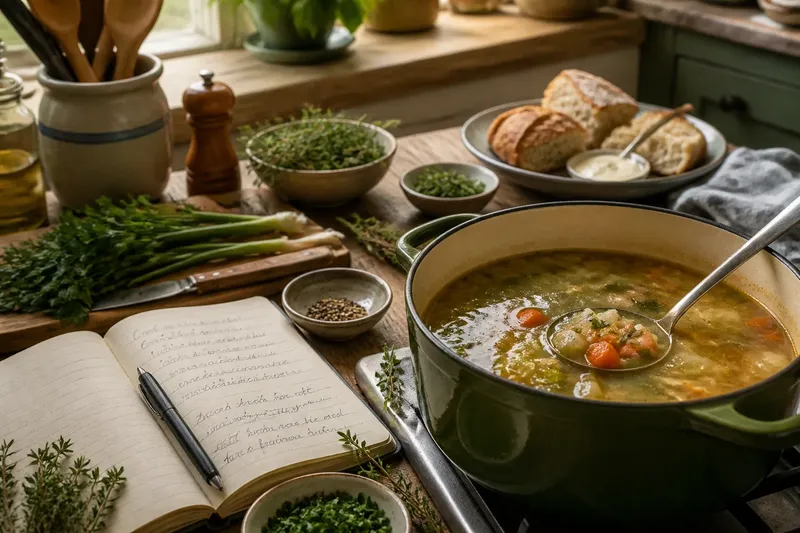
You have a bowl of stew ready, but the recipe calls for parsley and the garden offers chives. A recipe followed word for word might send you to the store; a cook who understands the method can decide whether the swap matters. The useful distinction is not between obedience and improvisation. It is between details that shape the dish and details that describe one way to serve it.
What does a recipe actually ask you to preserve?
A recipe carries several kinds of information at once. Some instructions set the dish’s structure: the relationship between wet and dry ingredients, the order in which ingredients meet heat, and the cues that tell you when a stage is complete. Other details, such as which bowl to use or what goes on top, may be there to make the recipe easy to follow rather than to define the result.
Look for the verbs and transitions. “Cook the onions until soft, then stir in the flour” describes a sequence with a purpose: the onions soften before the flour coats them. “Serve with chopped herbs” describes a finishing choice. The first may affect texture; the second can often bend to what is on hand.
Read the whole recipe once before you start. That small pause reveals which ingredients are divided, which components need to cool, and whether a later step depends on an earlier one.
Which proportions hold a dish together?
Proportions are relationships, not sacred numbers. In a biscuit dough, flour, fat, and liquid have to work together to make a dough that can be handled and baked. In a pot of porridge, grain needs enough liquid and time to soften. Change one major ingredient substantially, and the others may no longer behave as written.
That does not make every quantity untouchable. A pinch of salt can be adjusted to taste, and a stew’s broth can be reduced or extended according to the texture you want. But a casual extra pour of liquid into a pastry dough may turn a tender mixture sticky, while a large handful of extra flour can make it tough. Ask what job an ingredient is doing before changing its amount.
When adapting a recipe, change one meaningful variable at a time. If you alter the grain, liquid, and cooking vessel together, the result gives you little clue about what caused the difference.
Why does the order of steps matter?
Sequence often carries more weight than a garnish or serving suggestion. Browning onions before adding stock builds a different base than simmering them directly in the liquid. Mixing leavening evenly through flour before adding wet ingredients helps it reach the dough throughout. A recipe’s order is often a compact explanation of how ingredients transform.
Still, not every sequence is essential. A recipe might tell you to warm a serving platter while the food rests; that is convenient, not structural. Separate instructions that affect cooking from those that affect timing or presentation. If a step changes heat, moisture, texture, or the state of an ingredient, treat it as a likely hinge.
Follow the sequence closely when you are learning a dish. Once you recognize what each stage accomplishes, you can judge which orderings are practical rather than necessary.
What can you change without losing the dish?
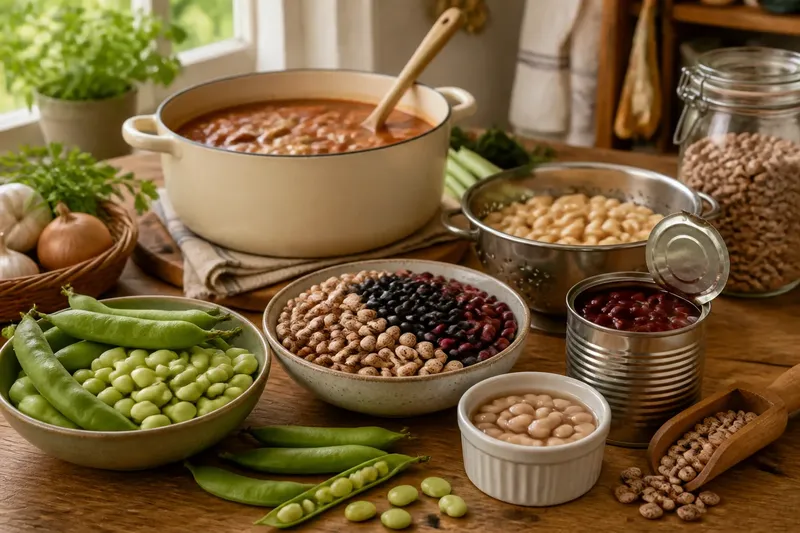
Serving choices are often the easiest place to make a recipe your own. A bean soup can arrive with cornbread, toast, or a spoonful of cooked grain. A baked apple may be served warm with cream, plain, or alongside a savory meal. These choices alter the table, not the method that made the soup or apple.
Herbs and seasonings can be flexible too, though their character matters. Chives bring a mild onion note; parsley is grassy and clean; sage is more assertive. Use a substitute that suits the dish rather than assuming all green herbs do the same work. If the recipe’s flavor depends on a particular ingredient, leave it in place unless you have a clear alternative.
Imagine you are making a pot of vegetable soup that calls for thyme and a final spoonful of cream. You have marjoram but no thyme, and prefer a lighter bowl. Keep the recipe’s cooking order and broth balance, use marjoram sparingly, and omit the cream at serving. The expected result is still a soft, broth-based soup, with a different herbal note and a less rich finish.
How can you tell what a recipe’s cues mean?
Time estimates help you plan, but sensory cues tell you what is happening in your pan. “Until translucent,” “golden at the edges,” and “a knife slips in easily” describe observable changes. They let you account for differences in pan material, burner strength, ingredient size, and how crowded the pot is without treating the printed time as a command.
Use more than one cue when the recipe offers them. For a simmered sauce, watch for gentle bubbles and a texture that coats a spoon; for roasted roots, look for browning and tenderness. If the food has not reached the described state, continue cooking in short intervals and check again. The point is to respond to the ingredient, not to force it to match a clock.
Notice how a recipe describes the result at each stage. Those phrases are often the most reusable part of the instructions.
Which recipe details do cooks most often question?
Can I swap one herb for another?
Often, if the herb is a supporting flavor rather than the dish’s defining one. Choose a substitute with a compatible character, and use a lighter hand when its flavor is stronger than the original.
Can I skip a garnish?
Usually, when the garnish adds color, freshness, or a finishing accent rather than changing the cooking process. If it contributes acidity or crunch that balances a rich dish, consider another ingredient that serves a similar purpose.
Should I follow the listed cooking time exactly?
Use it as a planning guide, then judge the food by the recipe’s texture, color, and tenderness cues. A crowded pan or a different-sized vegetable can change how quickly a stage is reached.
Is it sensible to change several ingredients at once?
It can be, but the result will be harder to interpret if the dish turns out differently than expected. For a new recipe, keep its central proportions and sequence, then make a modest change you can recognize.
How do you learn a recipe instead of reciting it?
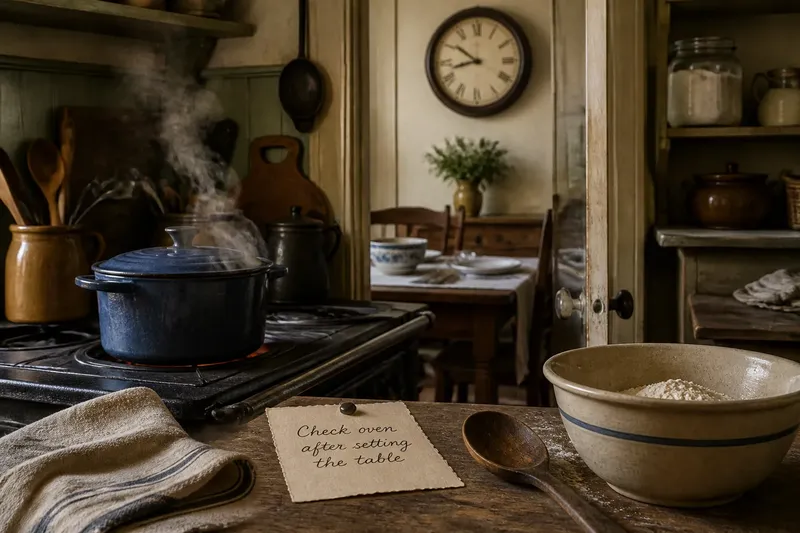
After cooking, make a brief note beside the recipe: “more broth for a looser stew,” or “add the herbs near the end for a fresher taste.” Record what you observed, not just whether you liked the meal. That note gives your next decision a reason, while preserving the recipe’s useful structure.
Recipes are written to travel between kitchens, where pans, produce, and appetites differ. Treat their proportions and sequence as clues to the intended transformation, then adapt the choices that belong to your table. A recipe followed word for word is only one version; understanding it lets you make the next version deliberately.